Precision in Every Petal
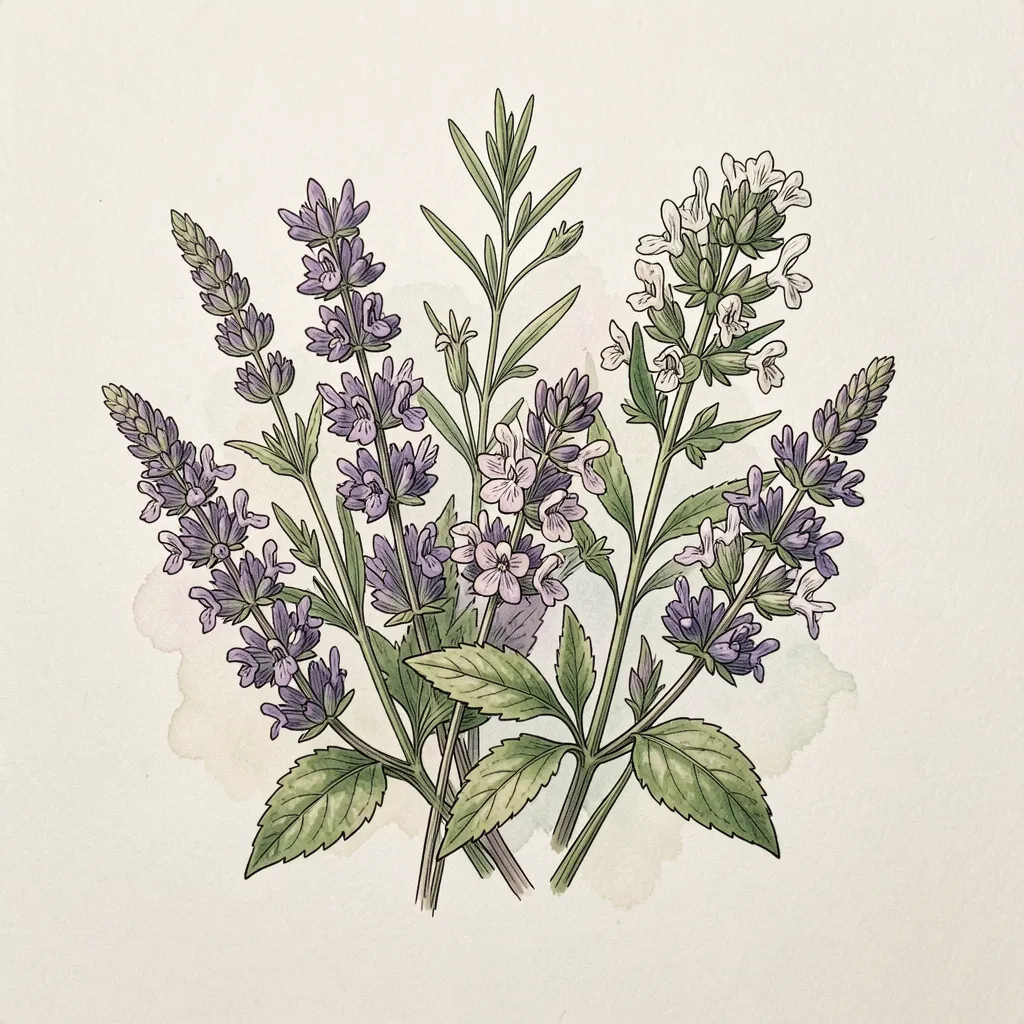
Where scientific observation meets artistic expression. Each illustration captures the intricate details of botanical life through careful study and meticulous technique.
The Art of Observation
Scientific Accuracy Meets Visual Beauty
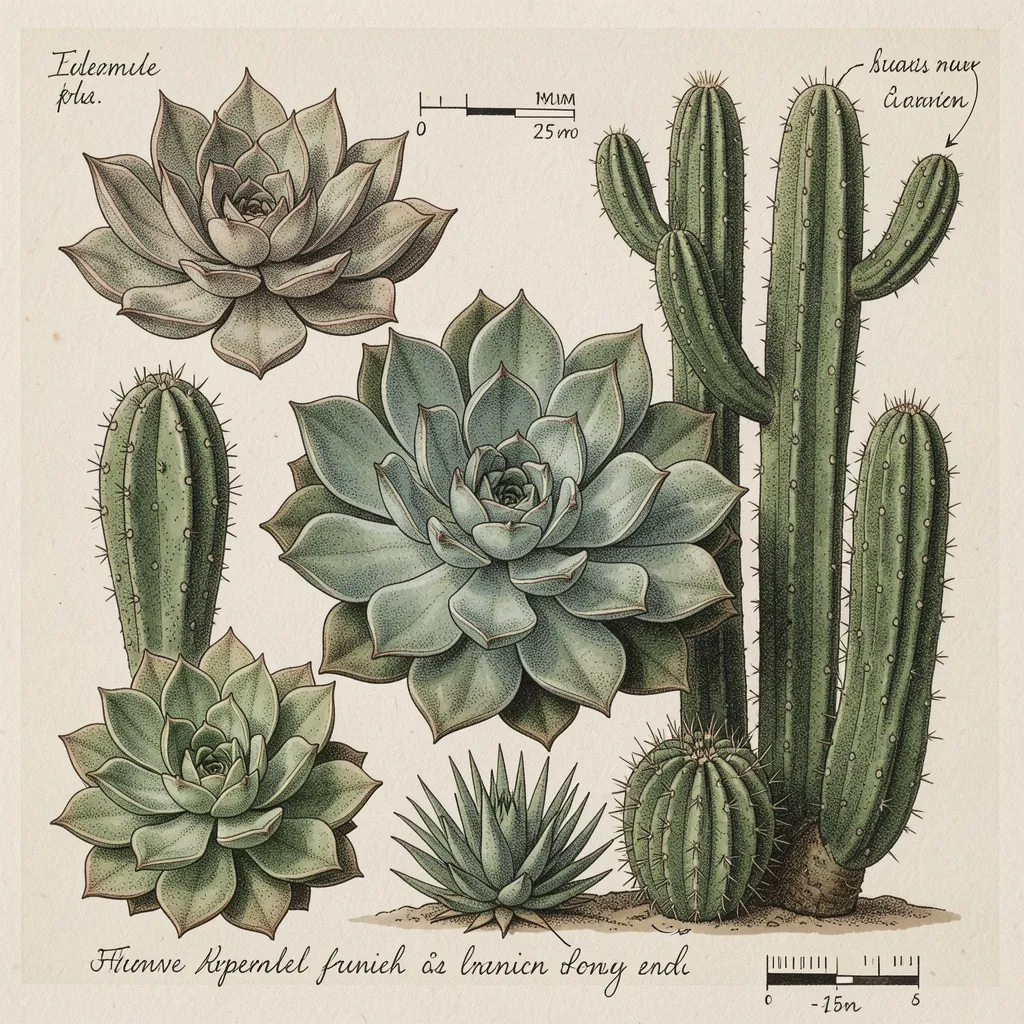
Every botanical illustration begins with careful observation. The process involves studying plant structures, understanding growth patterns, and documenting details that might escape casual observation.
Through traditional techniques combined with modern understanding, each piece serves both as artistic expression and scientific documentation. The work bridges the gap between art and science, creating visual records that are both aesthetically pleasing and educationally valuable.
Each illustration requires hours of detailed work, from initial sketches to final color application. The goal is to capture not just the appearance, but the essence of each botanical subject.
Methodology & Materials
Watercolor Techniques
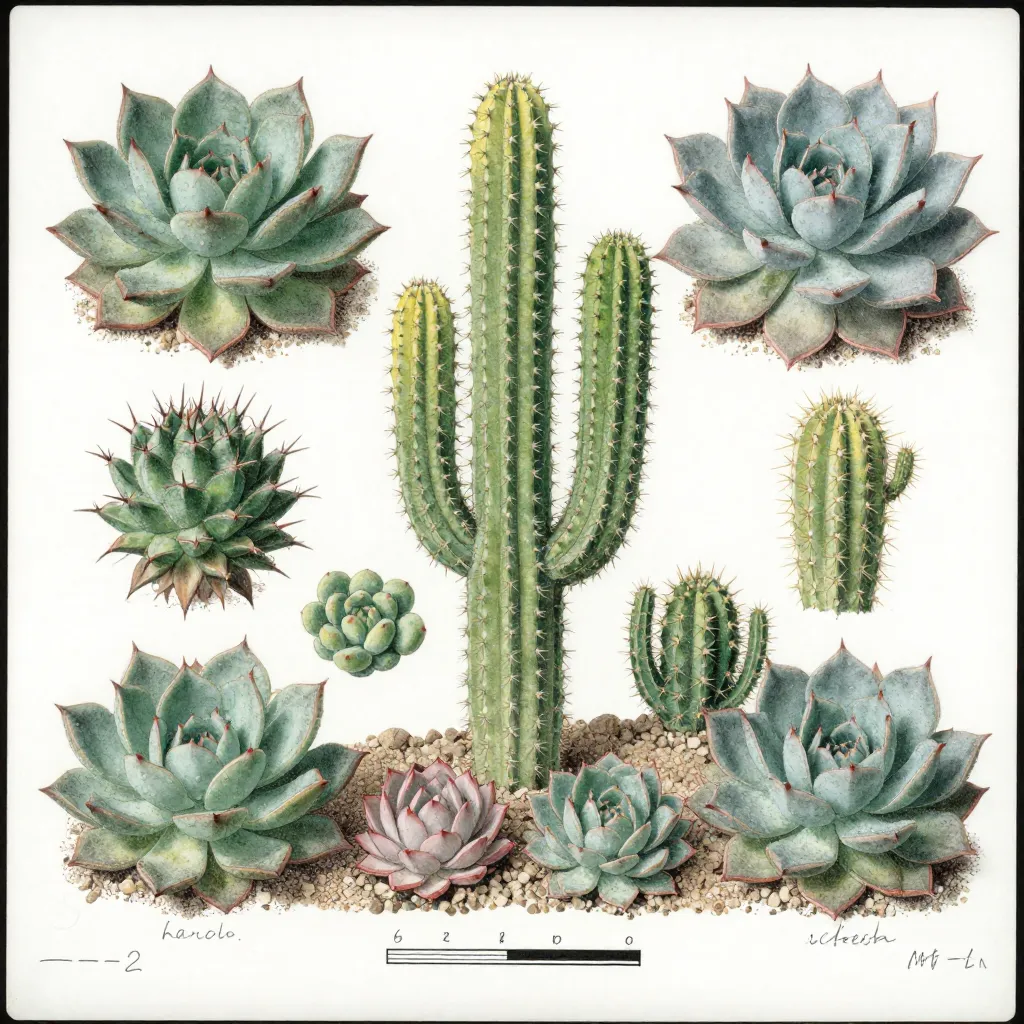
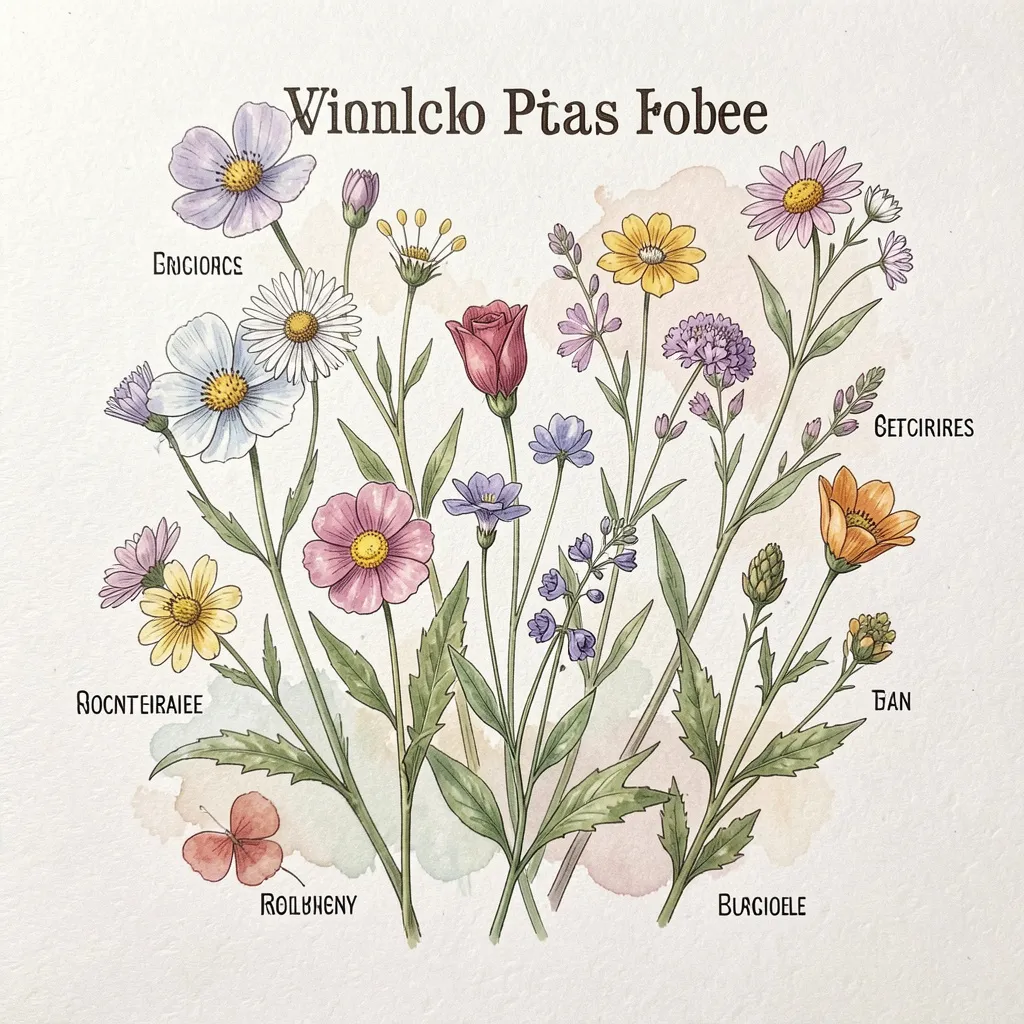
Layered washes create depth and transparency, allowing the natural paper texture to enhance the final result. Each layer builds upon the previous, creating rich, nuanced color.
Precision Drawing
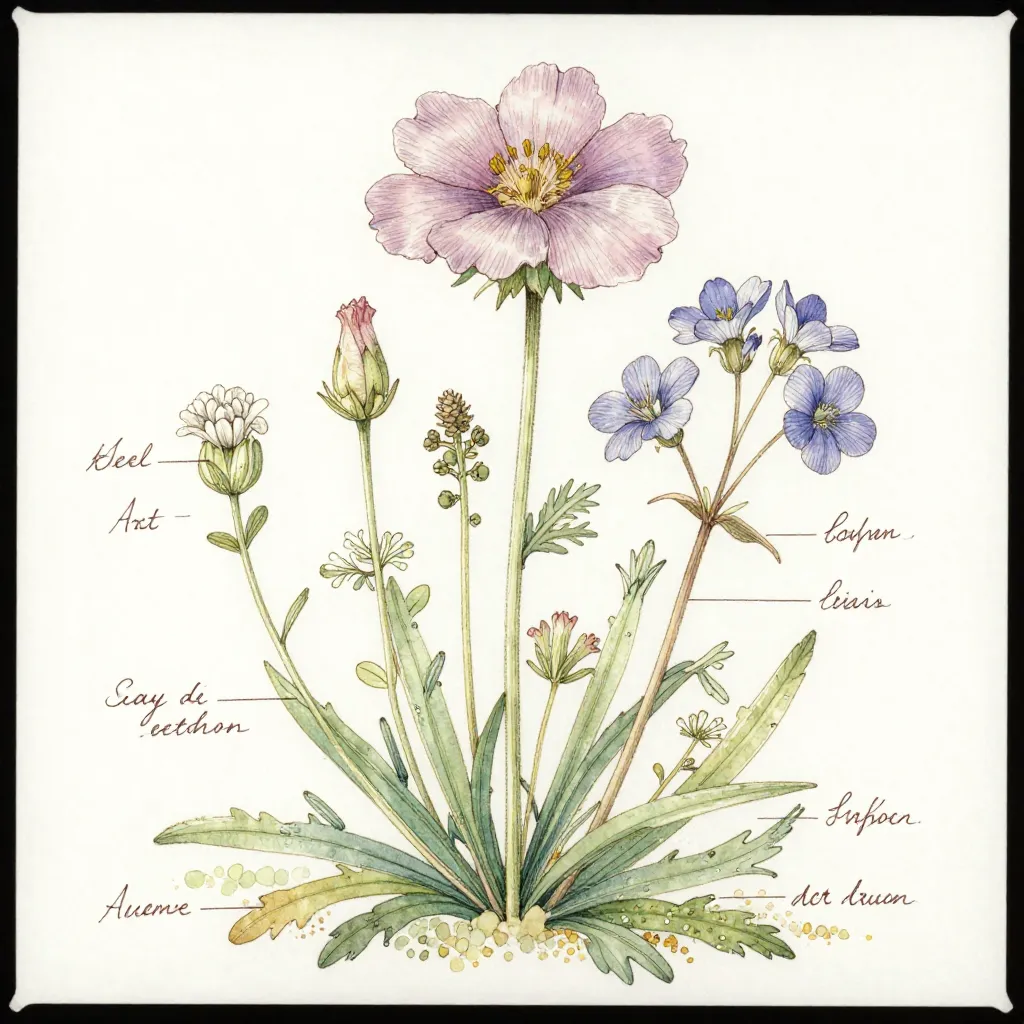
Initial sketches establish accurate proportions and structural relationships. Fine lines and careful shading bring dimension to two-dimensional representations.
Color Harmony
Color selection reflects natural pigmentation while maintaining visual balance. Careful mixing ensures accurate representation of botanical subjects.
Featured Works
Diverse Botanical Subjects
The collection spans various plant families, from delicate wildflowers to robust succulents. Each subject presents unique challenges and opportunities for artistic interpretation.
Seasonal variations are documented, showing how plants change throughout their growth cycles. This temporal aspect adds depth to the visual record, creating a comprehensive view of botanical life.
Explore Archive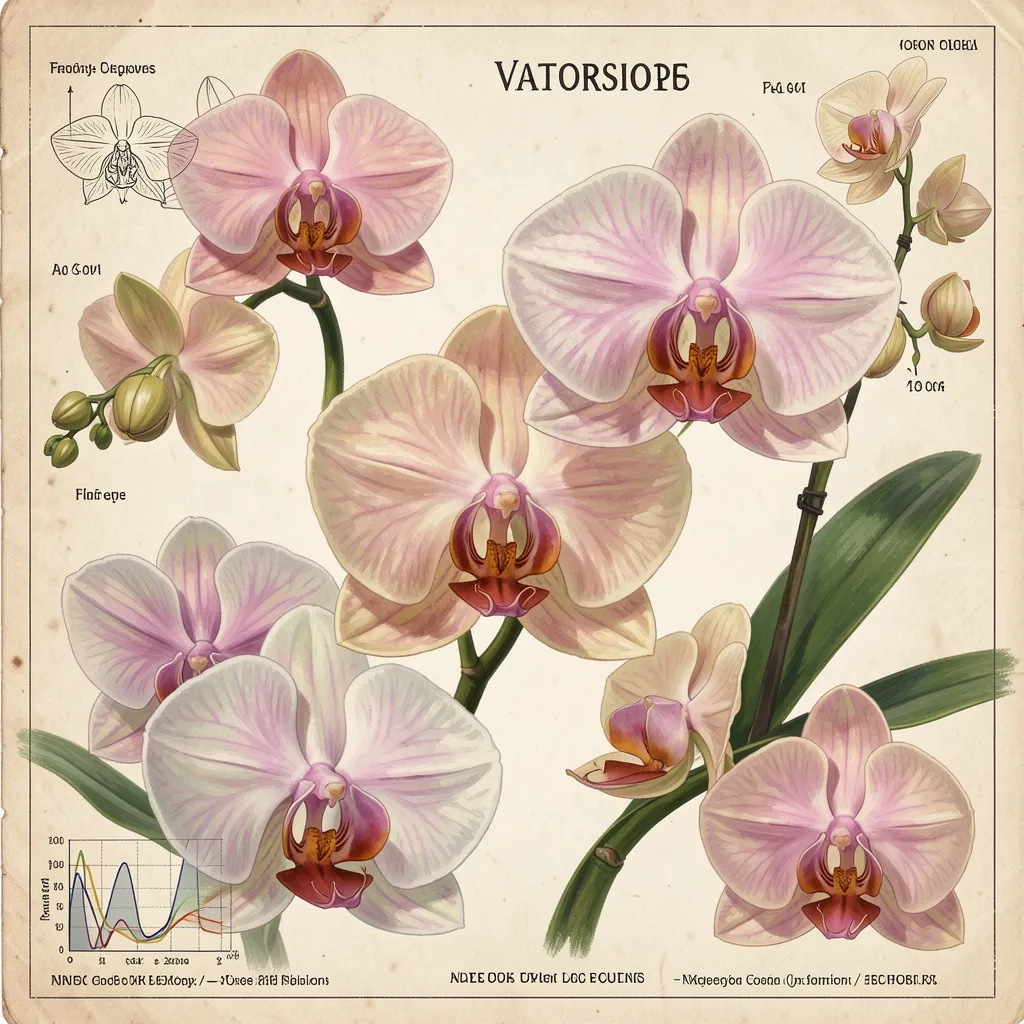
From Sketch to Completion
The creation process involves multiple stages, each requiring specific skills and attention to detail. Understanding this process provides insight into the dedication required for botanical illustration.
Research & Observation
Studying the subject in its natural environment, understanding its structure and characteristics.
Initial Sketching
Creating accurate line drawings that establish proportions and structural relationships.
Color Application
Building color through layered techniques, maintaining accuracy while achieving visual appeal.
Final Refinement
Adding details, adjusting values, and ensuring the work meets both artistic and scientific standards.
Purpose & Application
Educational & Decorative Value
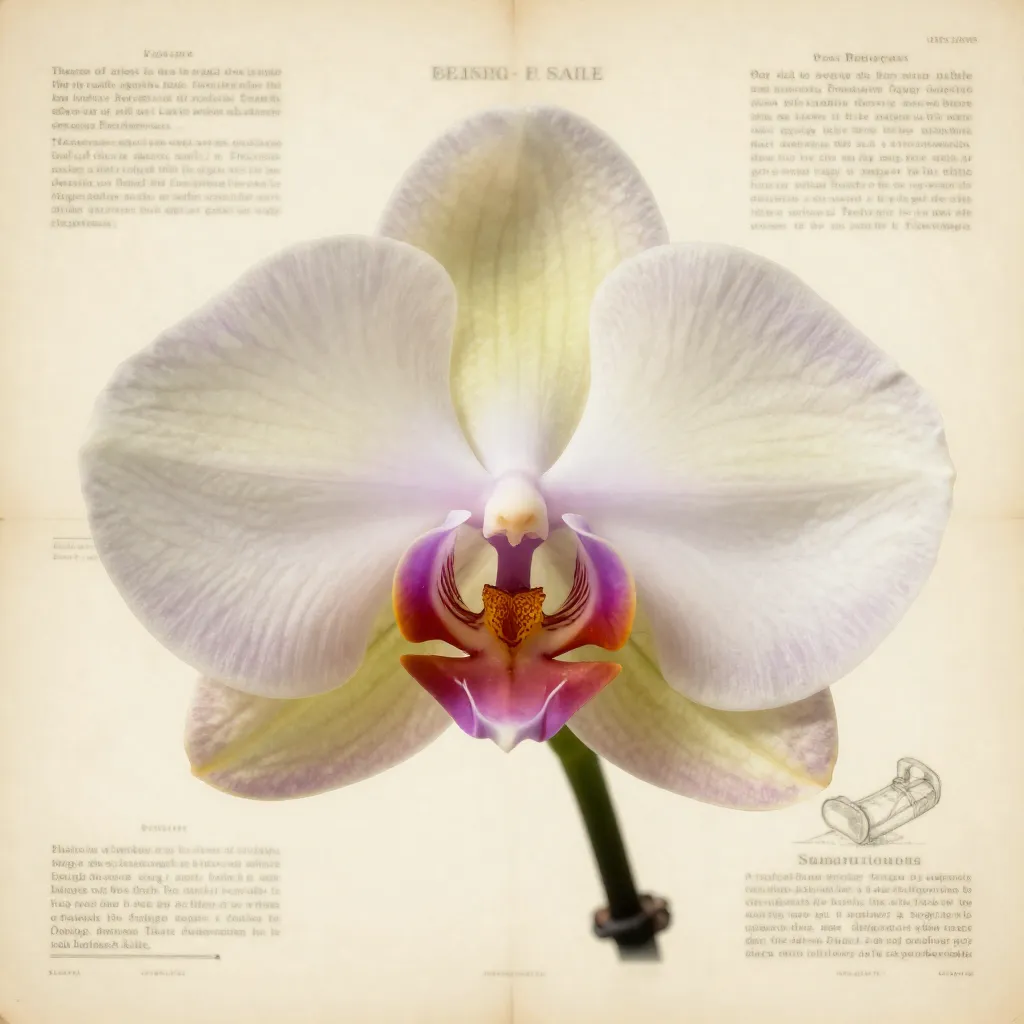
Botanical illustrations serve multiple purposes. They function as educational tools, helping viewers understand plant structures and characteristics. They also serve as decorative elements, bringing natural beauty into interior spaces.
Scientific institutions, educational facilities, and private collectors value these works for their combination of accuracy and aesthetic appeal. The illustrations provide reference material while enhancing the visual environment.
Digital reproductions make these works accessible to wider audiences, while original pieces remain valuable as unique artistic and scientific documents.
Begin Your Botanical Journey
Whether you're interested in viewing the collection, commissioning custom work, or learning more about the process, we welcome your inquiry.
Get in Touch