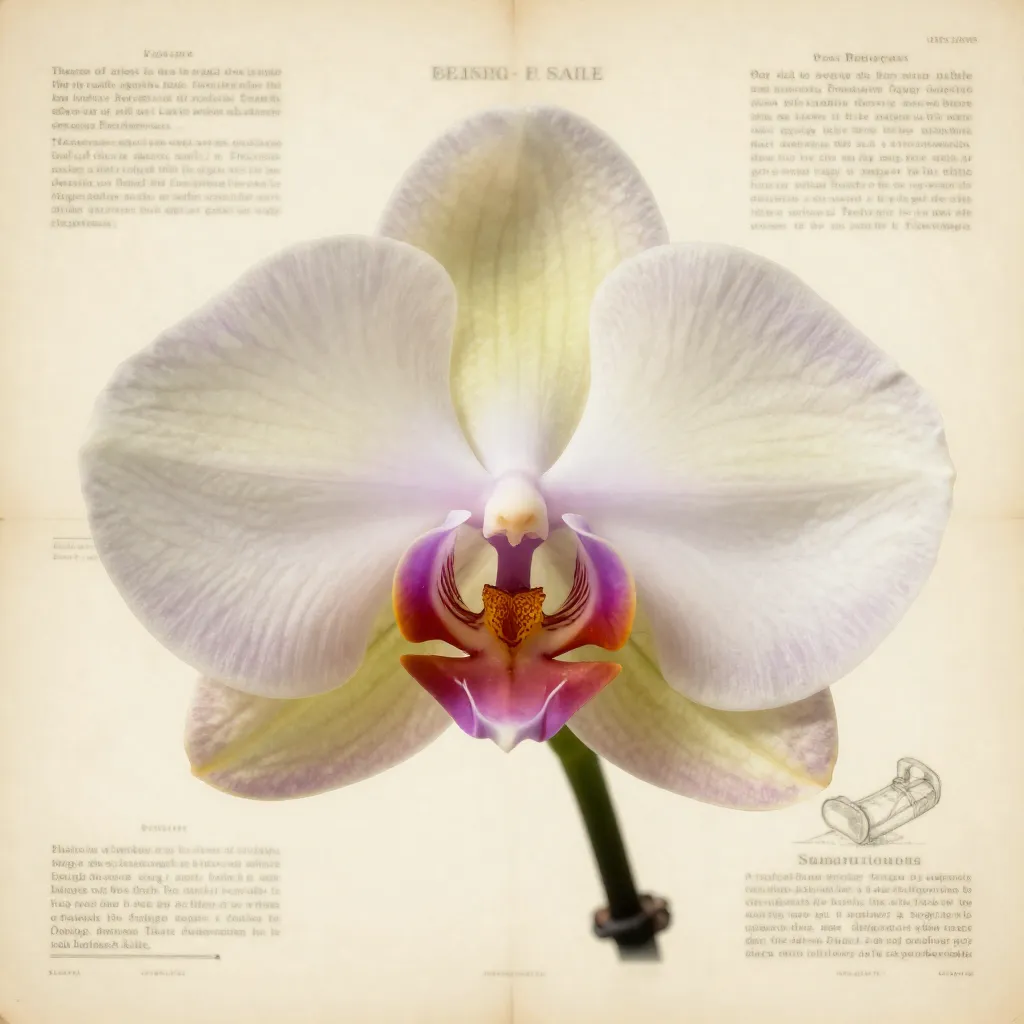
The Specimen Archive
A searchable database of botanical illustrations. Each entry includes field notes about the plant's biology, habitat, and characteristics.
Browse the Collection
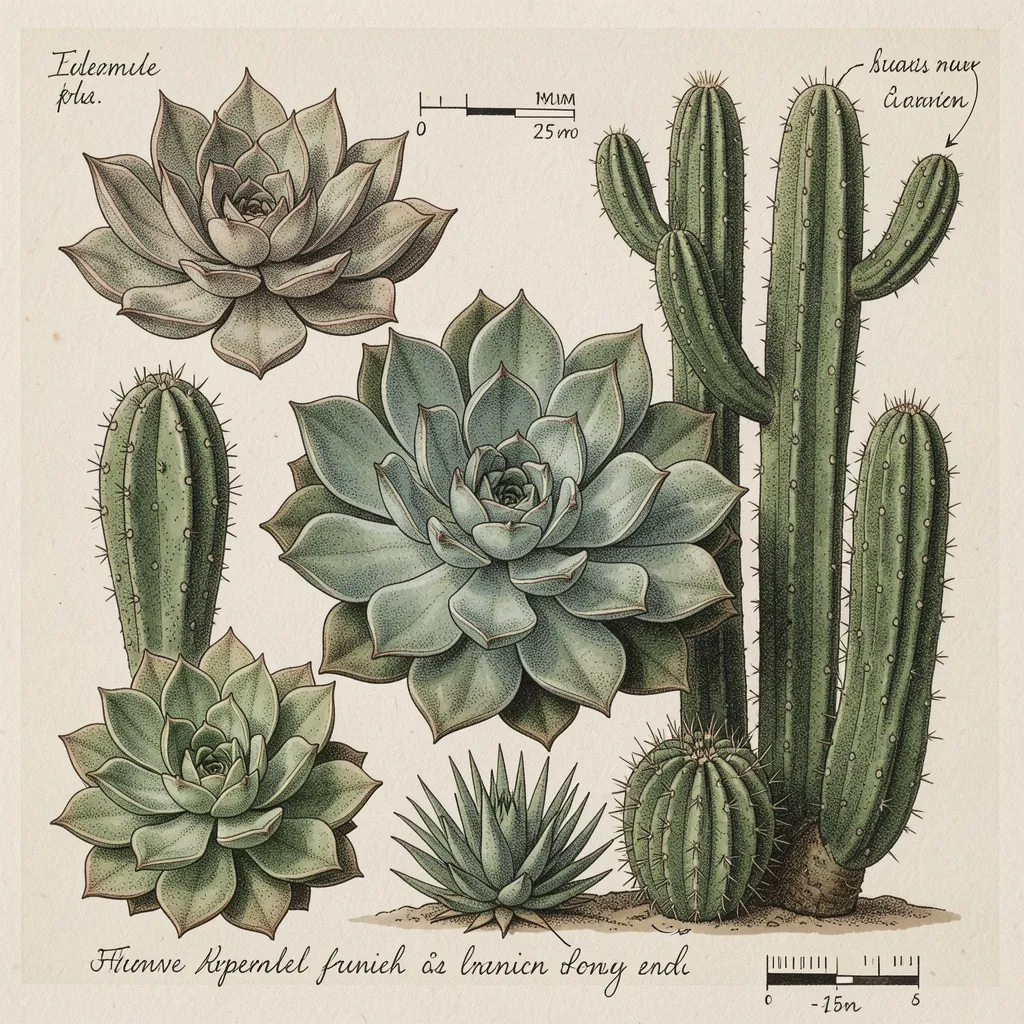
Desert Succulent Collection
Crassulaceae Family
Field Notes: These specimens exhibit remarkable water storage adaptations. The thick, fleshy leaves contain specialized cells that expand to store moisture during rare rainfall events. Observed in arid regions with minimal annual precipitation. The waxy cuticle reduces transpiration, allowing survival in extreme conditions.
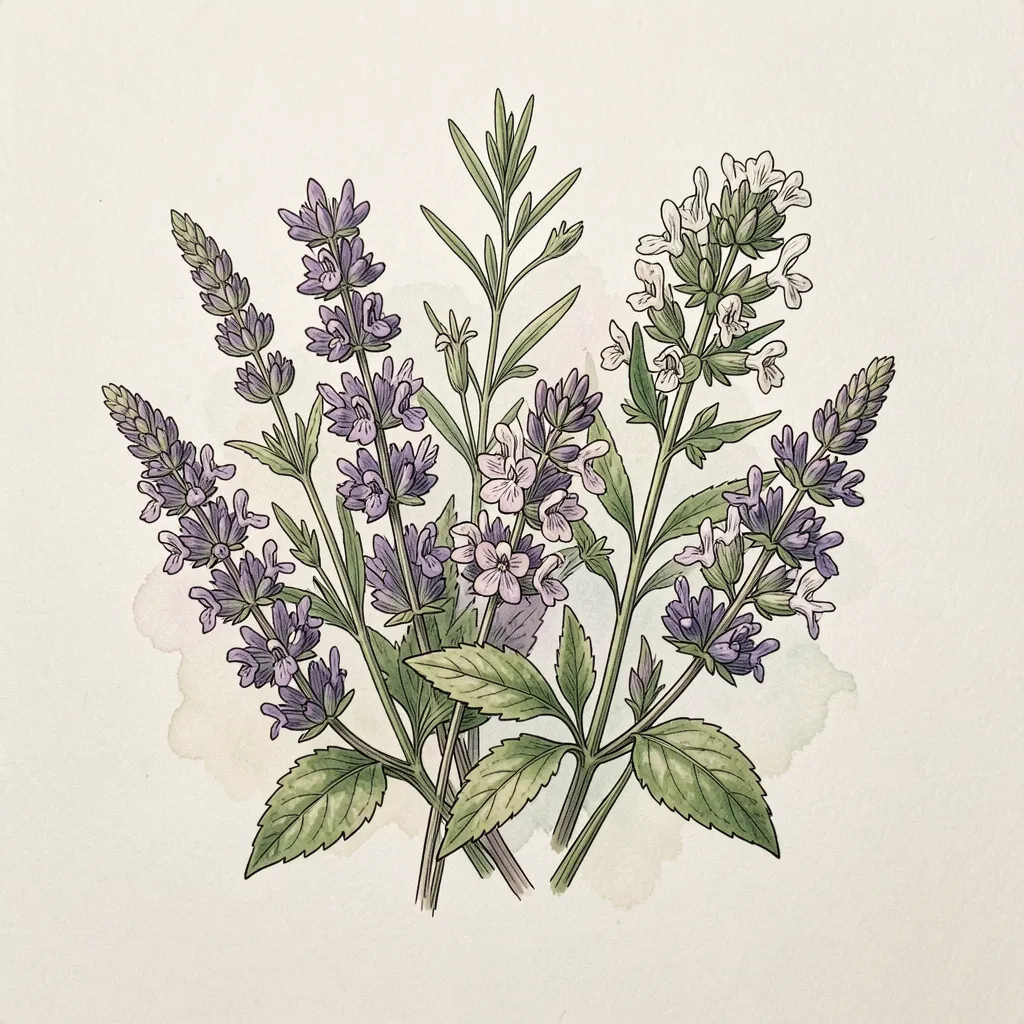
Native Wildflower
Digitalis purpurea
Field Notes: Found in temperate woodland environments. The bell-shaped flowers are adapted for specific pollinator interactions. Flowering occurs in late spring through early summer. The plant contains compounds that have been studied for various applications, though handling requires caution.
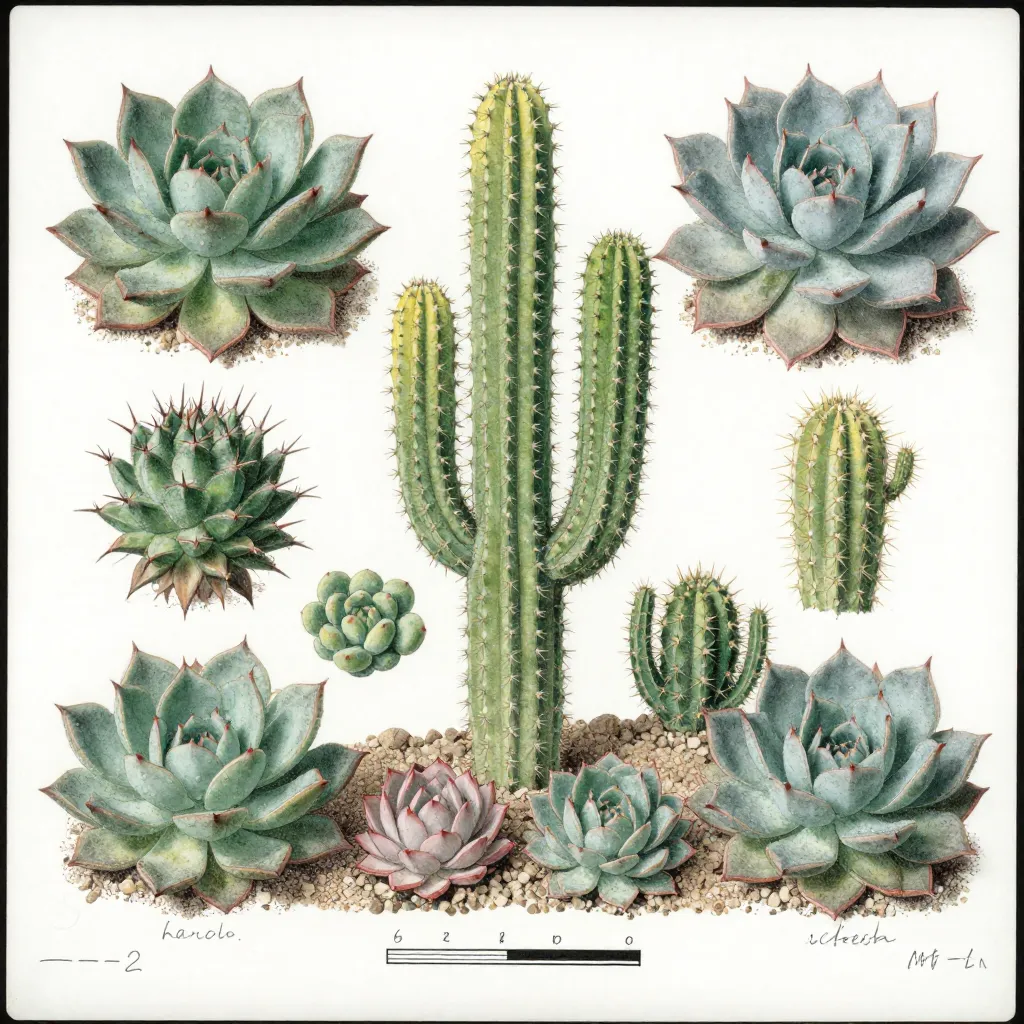
Rosette-Forming Succulent
Echeveria Species
Field Notes: Characterized by compact rosette growth patterns. The spiral arrangement of leaves maximizes light capture while minimizing surface area exposed to intense sunlight. These plants demonstrate efficient resource allocation, with energy directed toward survival rather than rapid growth.
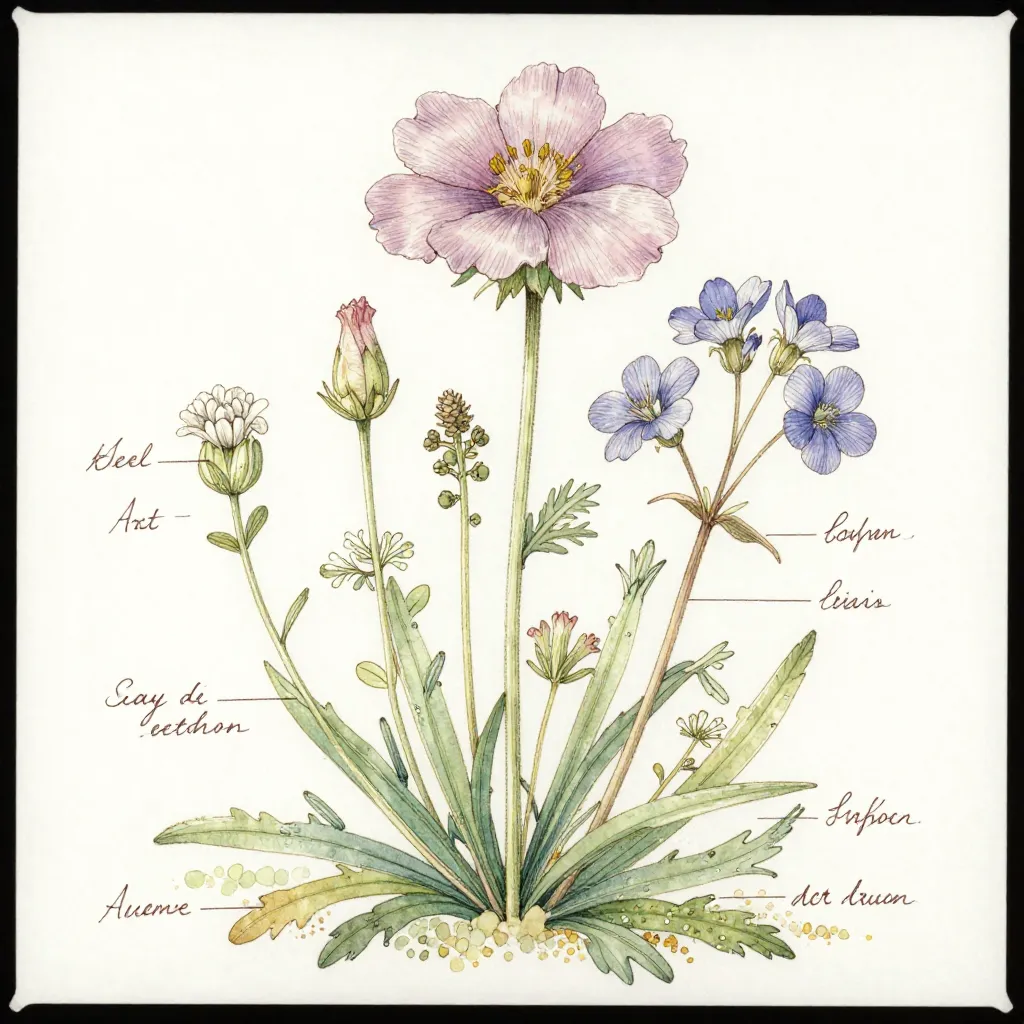
Detailed Plant Study
Various Species
Field Notes: Composite study showing structural relationships between different plant parts. The illustration documents root systems, stem anatomy, leaf venation patterns, and reproductive structures. This comprehensive approach aids in understanding plant biology and ecological relationships.
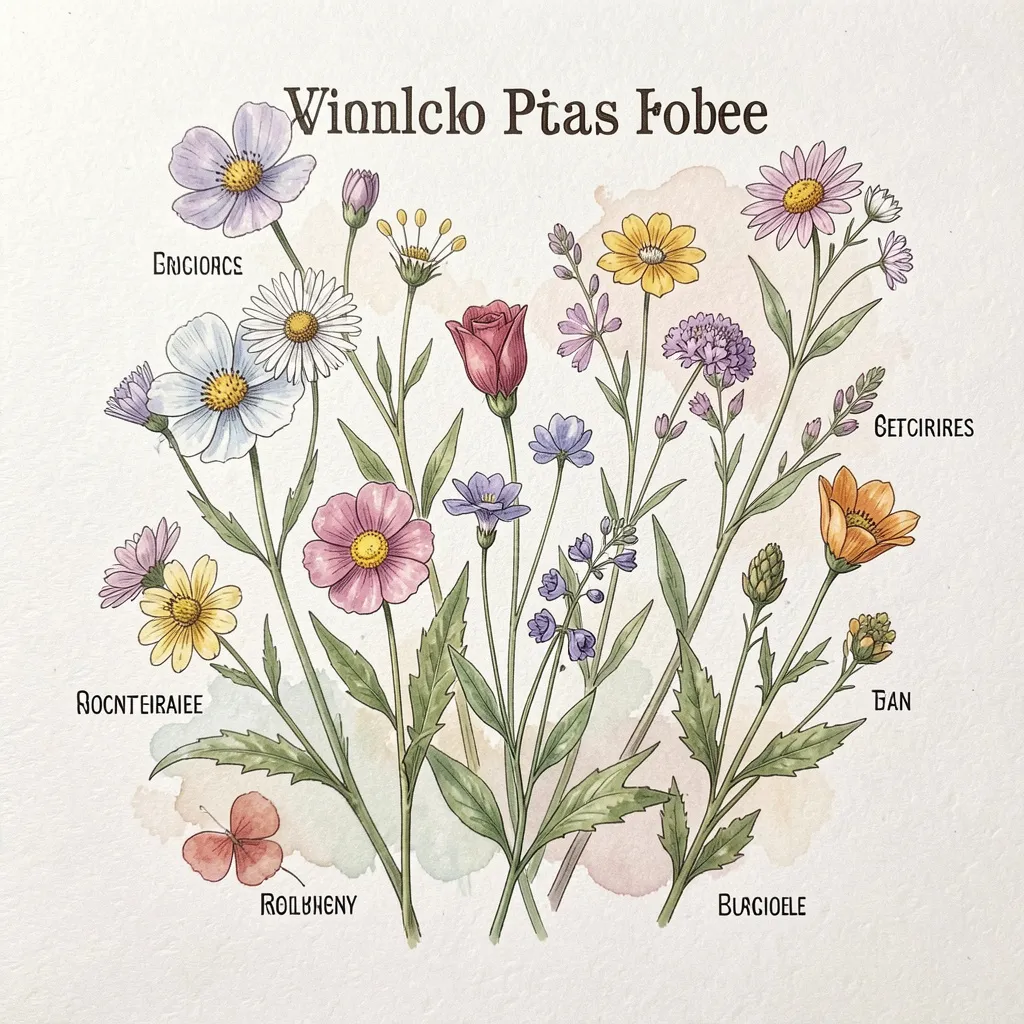
Spring Blooming Species
Various Genera
Field Notes: Early season flowering plants that take advantage of available light before canopy closure. These species complete their reproductive cycles quickly, producing seeds that can remain dormant until favorable conditions return. The timing of flowering is closely tied to temperature and day length.
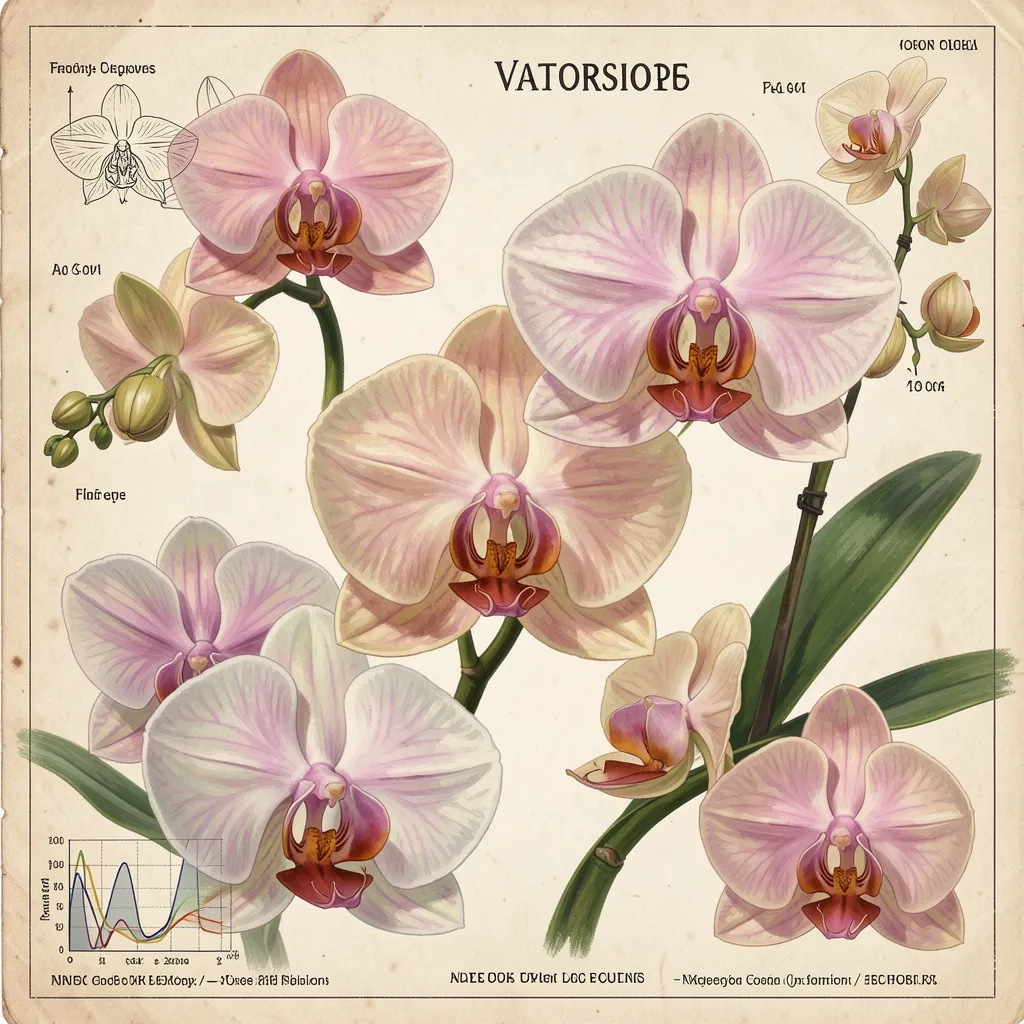
Summer Field Collection
Mixed Species
Field Notes: Documentation of plants observed during peak growing season. The collection includes both annual and perennial species, showing the diversity present in temperate ecosystems. Each specimen was collected and documented with location, date, and environmental conditions noted.
About the Archive
The Specimen Archive serves as both an artistic collection and a scientific resource. Each entry includes detailed field notes documenting the plant's biology, habitat preferences, and ecological relationships.
The archive is continuously updated with new specimens as they are documented and illustrated. All entries maintain scientific accuracy while preserving artistic quality.
Request Archive Access