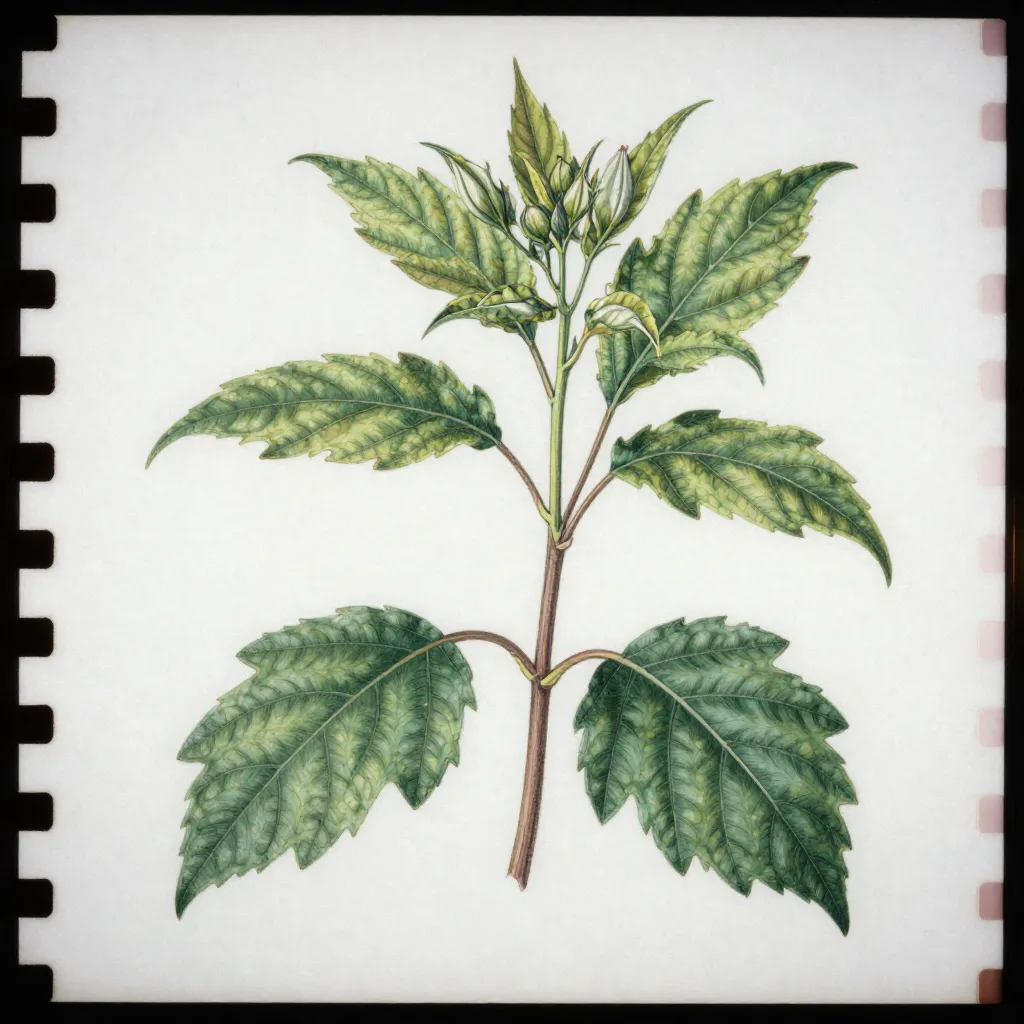
The Process Anatomy
A step-by-step visual breakdown of botanical illustration creation. From initial charcoal skeleton to final pigment application.
Deconstruction of a Work
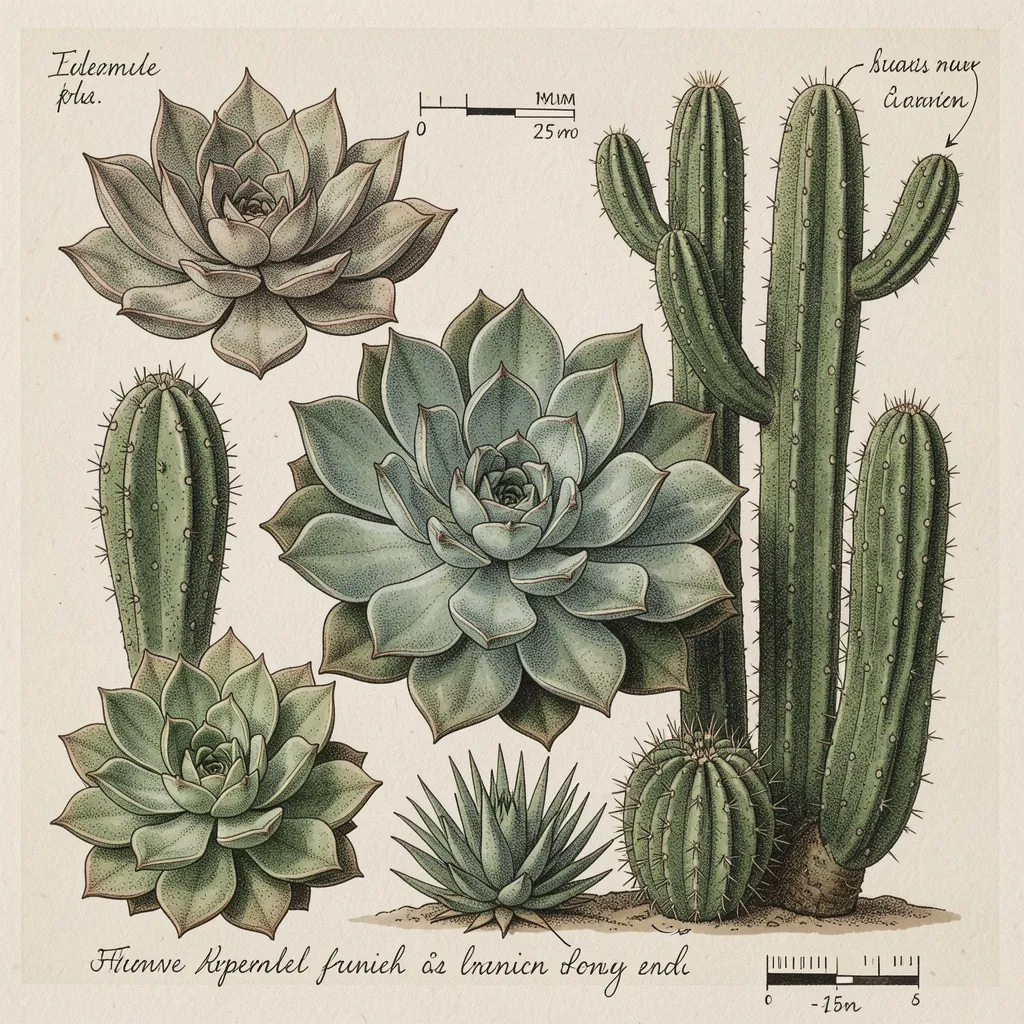
Initial Charcoal Skeleton
The process begins with careful observation and measurement. A light charcoal sketch establishes the basic structure, proportions, and spatial relationships. This foundation ensures accuracy before any color is applied.
Key measurements are taken and noted, including leaf dimensions, stem angles, and flower positions. The charcoal allows for easy adjustment and refinement before committing to permanent marks.
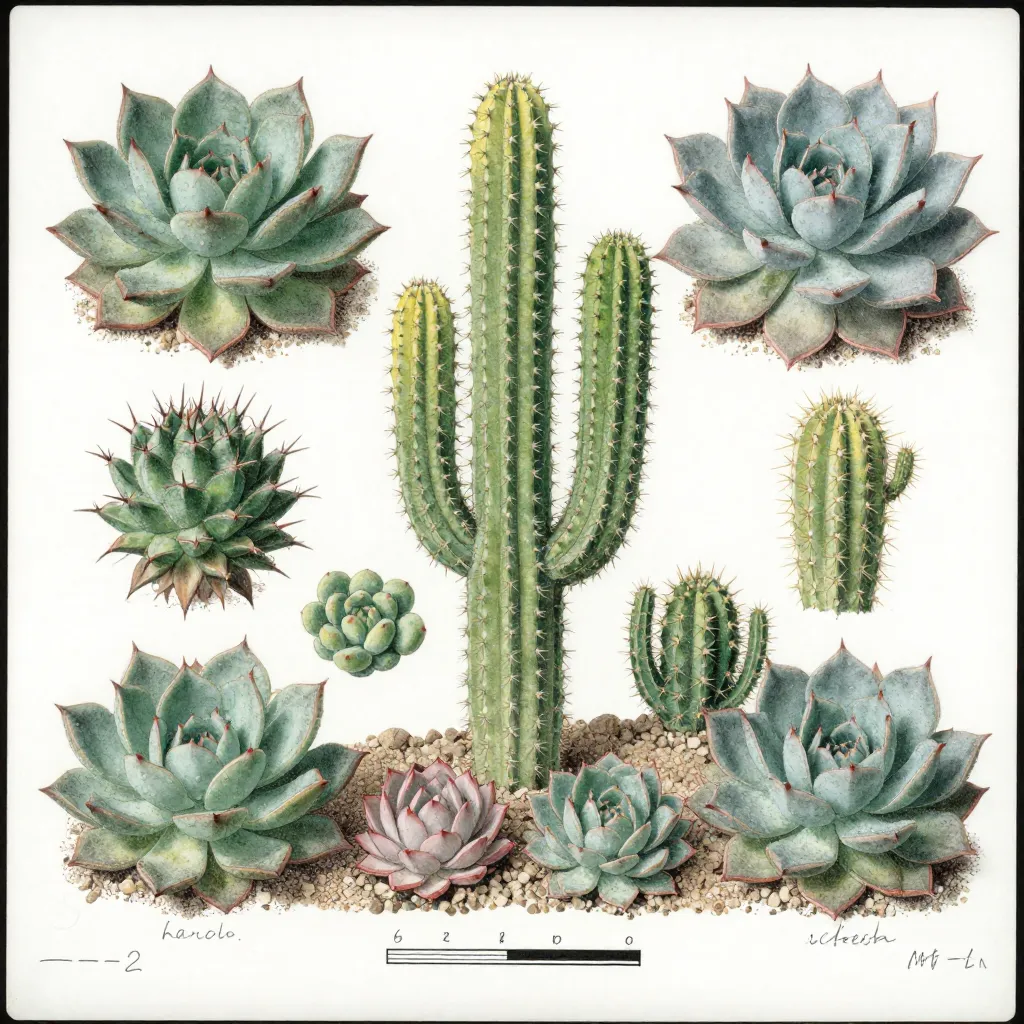
Light Wash Layers
Transparent watercolor washes establish the base color values. Multiple thin layers are applied, allowing each to dry completely before the next. This technique builds depth gradually while maintaining the paper's luminosity.
The first washes define the lightest areas and establish the overall color temperature. Careful attention is paid to preserving highlights and maintaining the transparency that gives watercolor its characteristic quality.
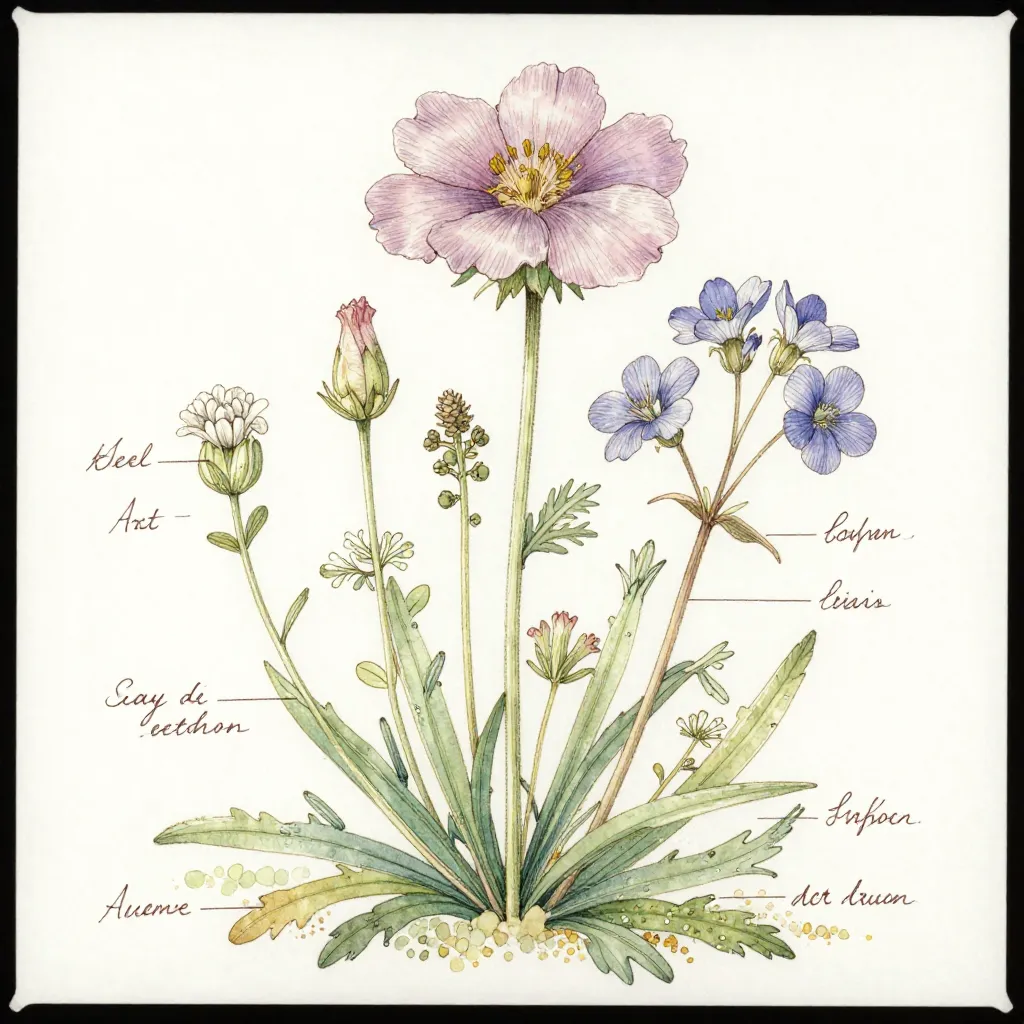
Mid-Tone Development
Intermediate values are developed through additional wash layers. The relationship between light and shadow becomes more defined, creating the illusion of three-dimensional form on a two-dimensional surface.
Color mixing becomes more complex as different hues are layered. The interaction between transparent pigments creates subtle color variations that cannot be achieved through direct mixing alone.
Detail Refinement
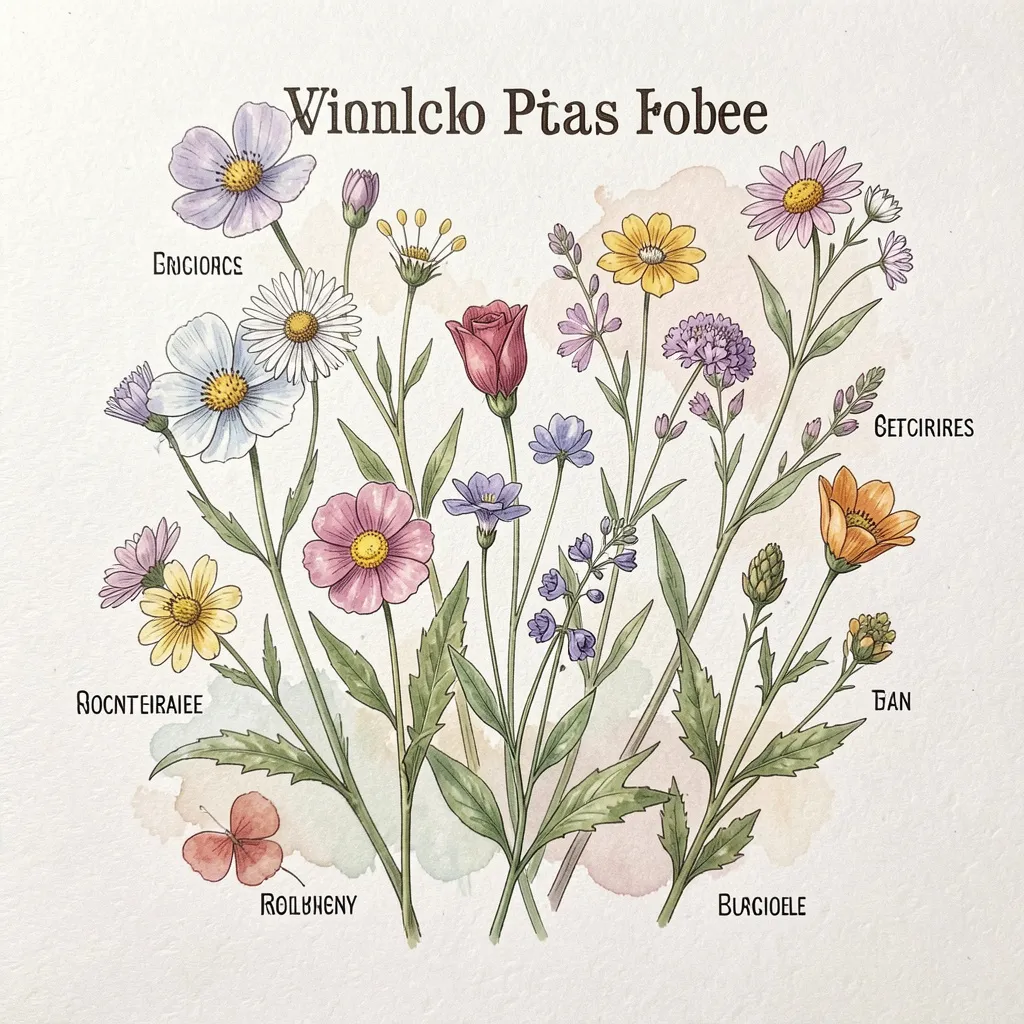
Fine details are added using smaller brushes and more concentrated pigment. Vein patterns, texture variations, and subtle color transitions are carefully rendered. This stage requires patience and precision.
Scientific accuracy is maintained while allowing for artistic interpretation. The balance between documentation and aesthetic appeal is carefully managed throughout this phase.
Final Pigment Application
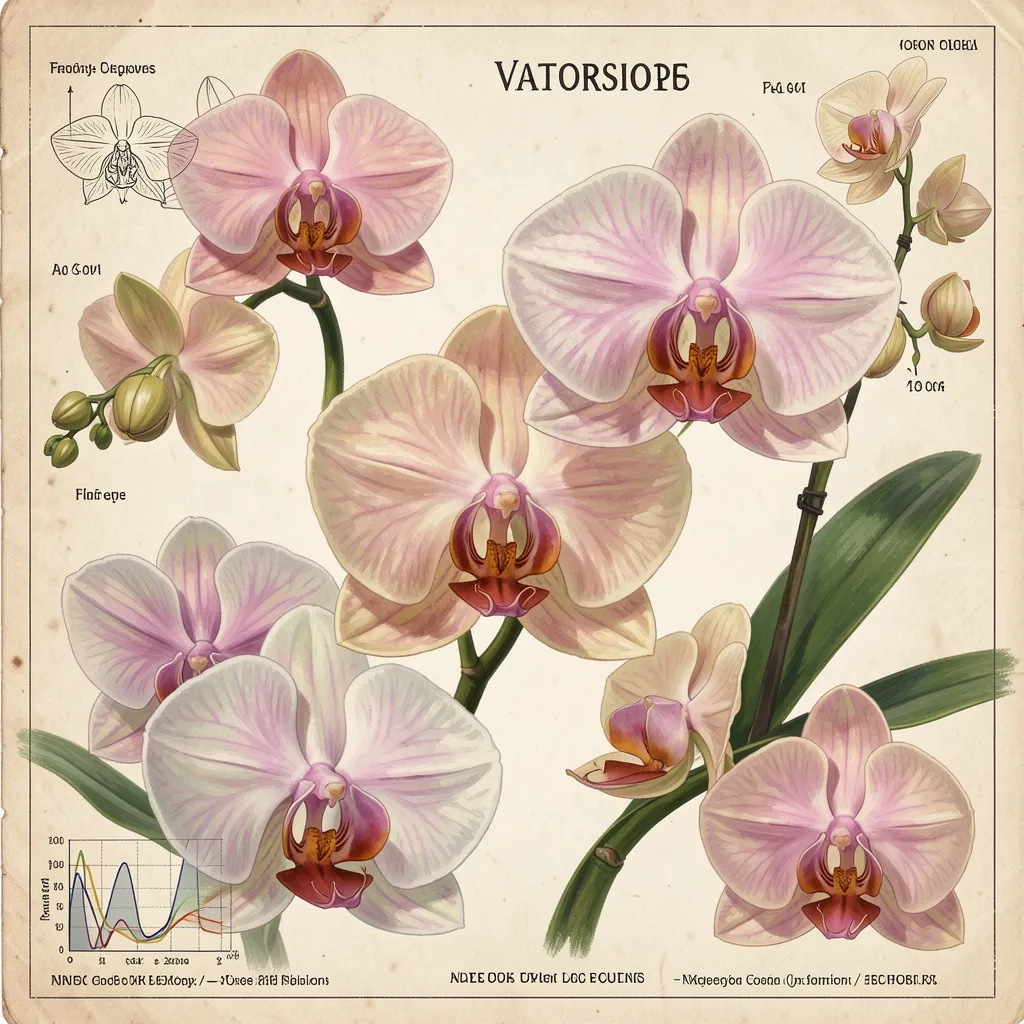
The darkest values and strongest color accents are applied in the final stage. These elements provide contrast and visual interest, completing the tonal range from light to dark.
Final adjustments ensure the work meets both artistic and scientific standards. The illustration should be visually appealing while accurately representing the botanical subject's characteristics.
Completed Work
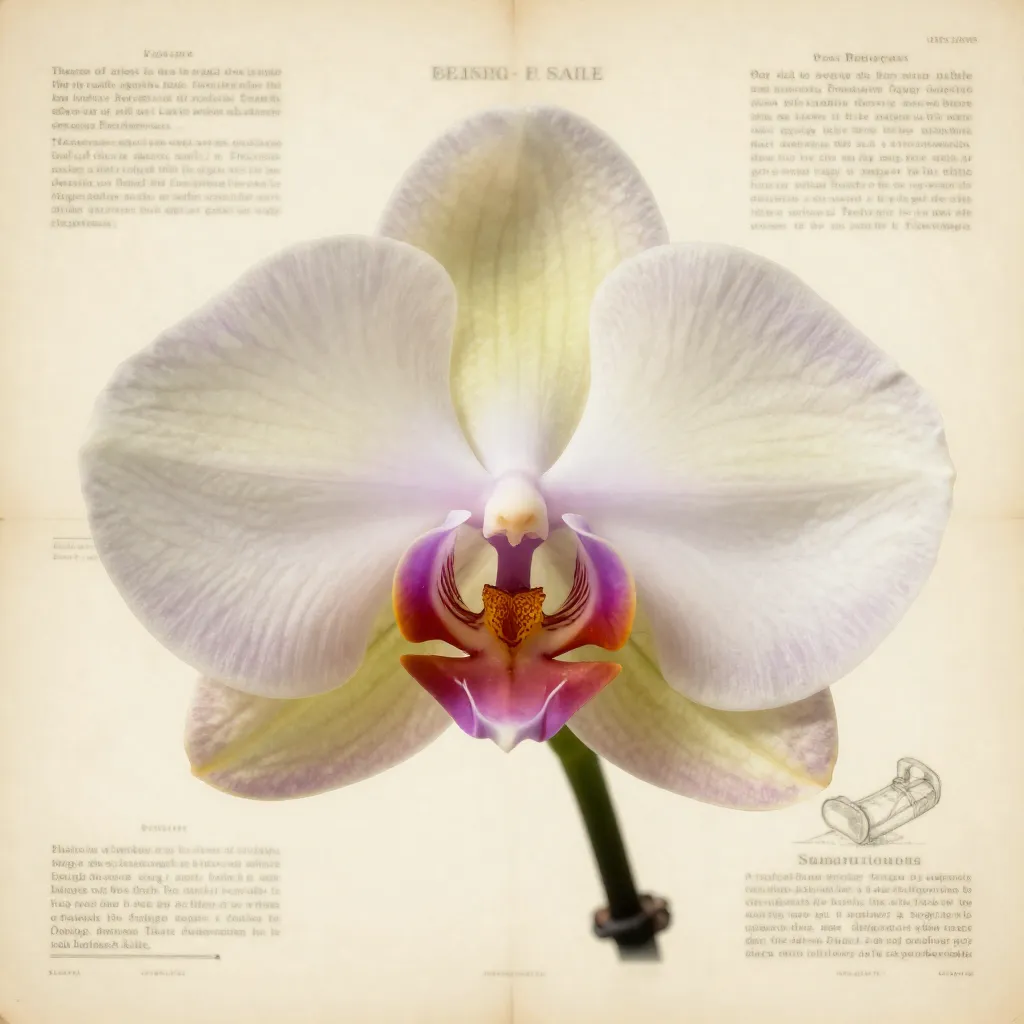
The finished illustration represents hours of careful observation and meticulous application. Each layer contributes to the final result, creating a work that serves both artistic and educational purposes.
The completed piece is documented, labeled with scientific names, and prepared for display or reproduction. The process demonstrates how traditional techniques can create detailed, accurate botanical documentation.
Technical Considerations
Material Selection
Paper quality significantly affects the final result. Archival watercolor paper with appropriate texture and weight is essential for achieving desired effects.
Pigment quality and lightfastness are important considerations for works intended for long-term display or reproduction.
Time Investment
Each stage requires adequate time for proper execution. Rushing any phase can compromise the final quality of the work.
The entire process from initial sketch to completion typically requires 20-40 hours of focused work, depending on complexity and size.